.jpeg)
.jpeg)
In the electricity and power sector, the strike registered significant impact across several states despite essential service pressures and administrative restrictions. In Tamil Nadu, as per the first report, a total of 13,040 employees remained absent, reflecting a major strike impact. Kerala reported around 95% participation in the electricity sector, contributing to a near-total shutdown in the state. In Himachal Pradesh, reports indicated 100% participation in several electricity establishments. In Punjab, more than 25,000 electricity employees joined the strike. In Maharashtra, electricity employees observed 100% work boycott in multiple units. Power Grid Corporation units in the North East and southern states reported near-total participation.
In the petroleum, refinery and gas sector, contract workers observed a total strike in Digboi, Bongaigaon and Numaligarh refineries in Assam, as well as in terminals at Silchar, Dimapur and Sekmai. LPG bottling plants and POL depots in Kochi and Kozhikode (Kerala), Mangalore (Karnataka), and multiple installations in Maharashtra and Gujarat reported significant disruption. Protest actions were held at BPCL Mumbai Refinery, HPCL Mumbai and ONGC installations. In several locations, entry of vehicles and contract workers was prevented through peaceful picketing.
In ports, shipping and transport, Paradip Port (Odisha) and Kakinada Port (Andhra Pradesh) witnessed stoppage of operations due to picketing. Kamarajar Port (Tamil Nadu) Cochin Port (Kerala) and Calcutta Port were substantially affected. Dock workers, cargo handlers and contract labourers participated widely. Tutikorin Port at Tamilnadu was in complete strike. In public sector steel plants, in Salem steel plant, strike was substantial and in other plants it was partial.
In Punjab and Odisha, road transport workers observed massive strike participation, affecting state transport undertakings and goods movement. In Kerala, private buses, autorickshaws, taxis and goods carriers remained off the roads in most districts. Goods transport was severely disrupted in industrial belts of West Bengal, including Howrah, Hooghly, Durgapur and Haldia. Railway contract workers organised demonstrations and gate meetings in Secunderabad, Chennai, Nagpur, Bhubaneswar, Patna and Kolkata divisions.
The manufacturing and industrial sector witnessed broad participation across heavy industry, engineering, automobiles, textiles, jute, plantations, chemicals and pharmaceuticals. In Tamil Nadu’s automobile and engineering hubs—Sriperumbudur, Oragadam and Maraimalai Nagar—around 40 companies, including Apollo Tyres, JK Tyres, Yamaha, Samsung Valio, Gestamp and L&T units, reported stoppage or severe disruption of production. In Cochin SEZ, nearly 200 factories remained non-operational, with around 32,000 of 40,000 workers participating. Cement plants in Satna, Maihar and Neemuch (MP) reported complete shutdown. Industrial clusters in Ahmedabad, Sanand, Surat, Vadodara and Bharuch (Gujarat) saw large-scale participation. In Telangana’s Sangareddy and Medchal industrial belts, workers in multinational companies such as Sandvik, Toshiba, ITC Bollaram, Mahindra & Mahindra and beverage units joined the strike. In West Bengal, tea gardens in Dooars and Terai, jute mills in Howrah and Hooghly, brick kilns, rice mills and cement units were significantly affected by the strike action. Massive strike in Tyre factories of Maharashtra, Karnataka and Kerala also. Sales Promotion employees led by CITU had been in massive strike action countrywide. State Govt employees participated in strike substantially in more than 16 states.
The banking, insurance and financial sector witnessed a strong strike. Public sector bank branches in many states remained closed or functioned partially. LIC and GIC offices reported near-total participation in several centres. Labour courts and tribunals in Gujarat remained closed.
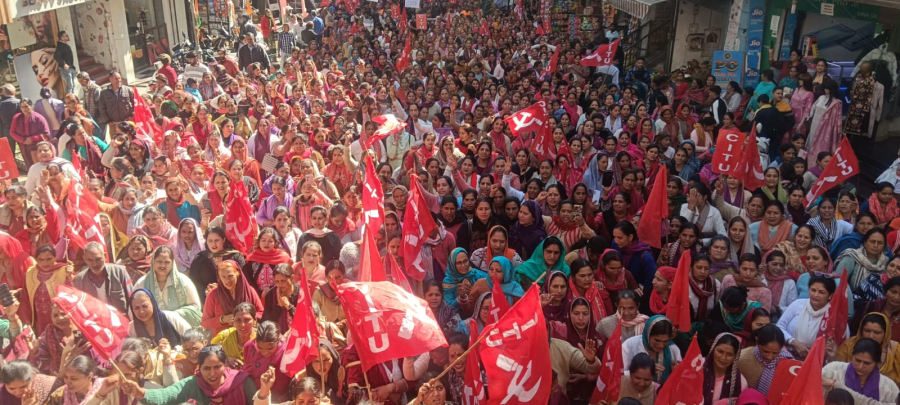
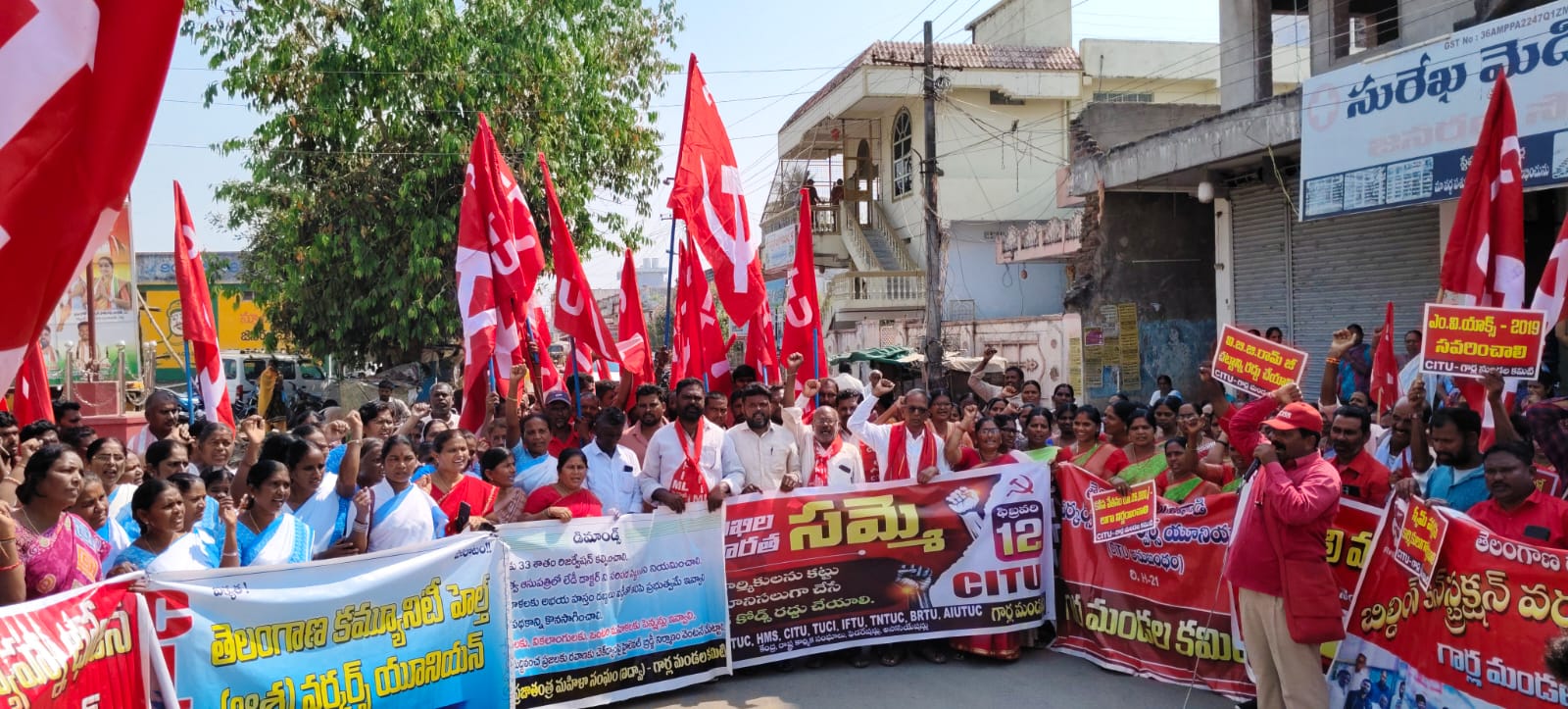
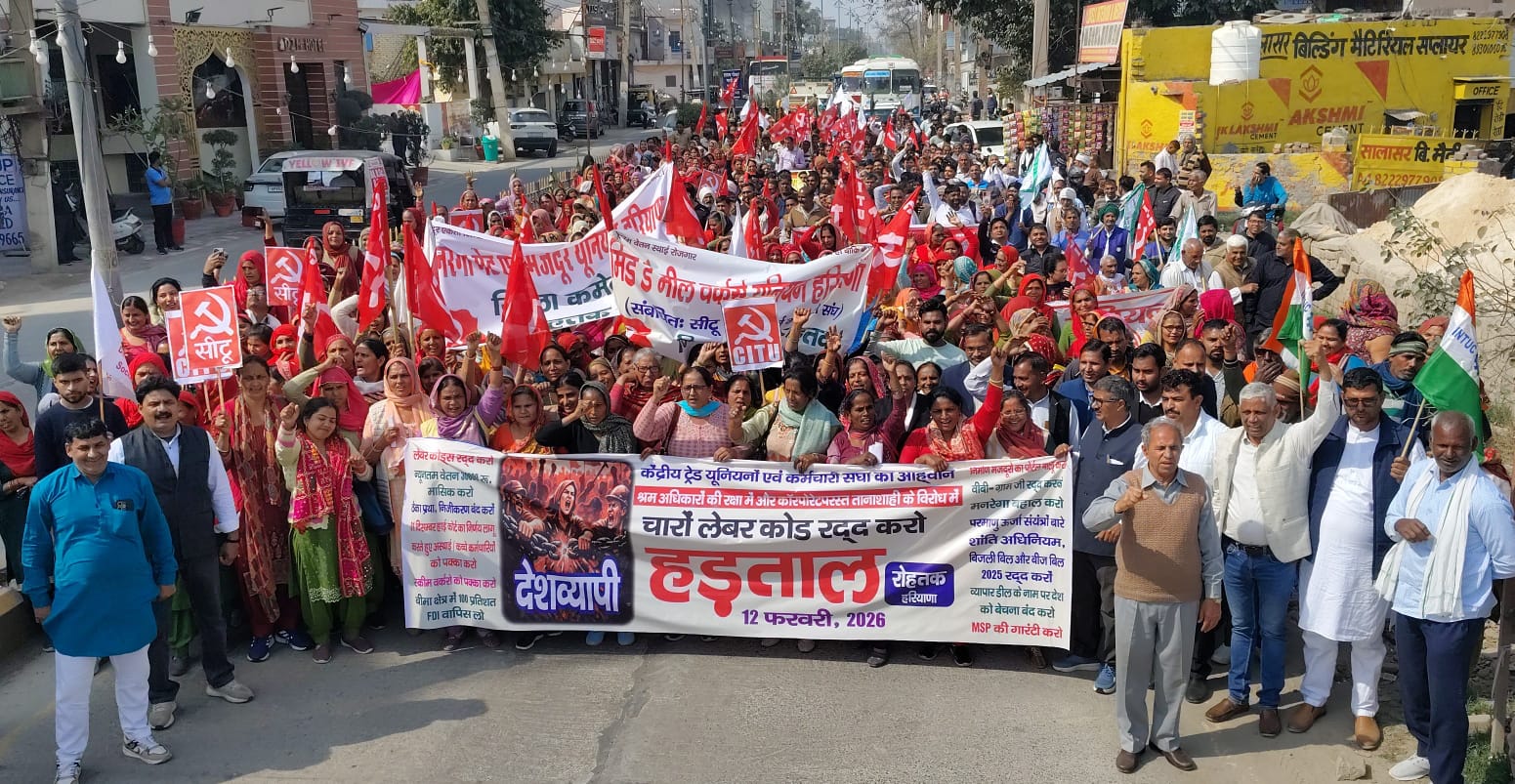
The participation of scheme workers and the unorganised sector was massive and decisive. Anganwadi, ASHA and Mid-Day Meal workers joined in near-total numbers in Kerala, Andhra Pradesh, Bihar, Gujarat, Madhya Pradesh, Haryana, Punjab, West Bengal and many other states. Construction workers, municipal sanitation workers, plantation workers, headload workers, domestic workers and gig workers participated widely in demonstrations and picketing. Especially in J&K and Himachal, the organized Construction workers took part massively in Strike. In several states, rural agricultural workers and small peasants joined solidarity rallies, strengthening worker–peasant unity.
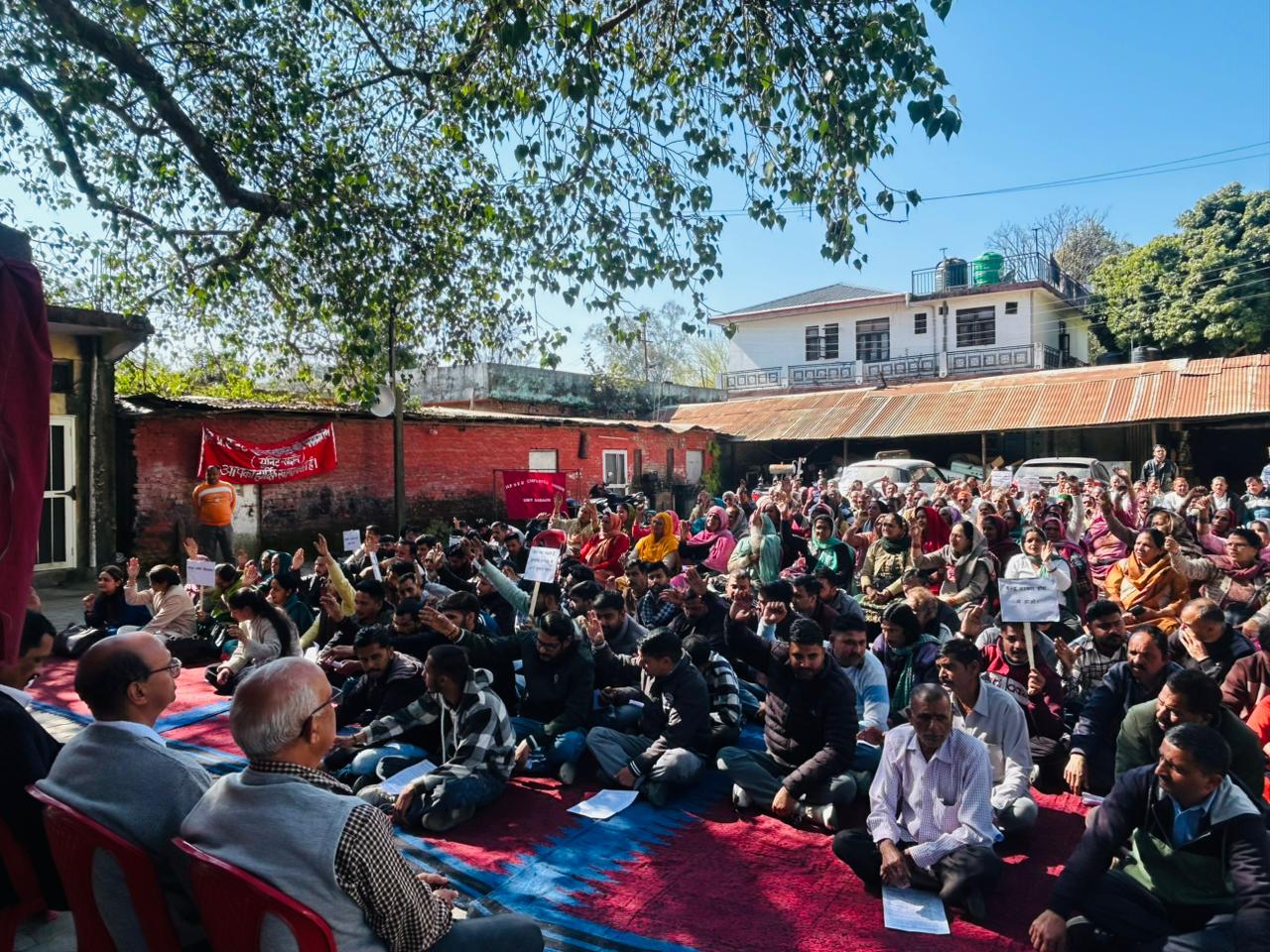
State-wise, Kerala witnessed extraordinary mobilisation, with nearly one crore workers and peasants participating. Over 250 major rallies and thousands of local picketing points were organised, affecting transport, PSUs, SEZs, cooperative institutions, plantations and the service sector. In Odisha, mining belts, sponge iron plants and Paradip Port were paralysed, and a massive rally was held in Bhubaneswar. Successful strike took place in Industrial Areas of Assam. Strike rallies were organized in 22 districts of Rajasthan and 25 places in Uttarakhand. Madhya Pradesh saw complete shutdown in coal, manganese and cement sectors, with 100% strike participation in Balaghat mines and strong actions in Bhopal, Gwalior and Jabalpur. In Andhra Pradesh, strike action covered all districts, paralysing Kakinada Port and mobilising around 5,000 workers in Visakhapatnam. In Gujarat, rallies were organised in more than 24 districts, with strong participation of scheme workers and industrial labour. In Telangana, large rallies were held in Hyderabad, Warangal, Karimnagar and several other districts. In West Bengal, nearly 6,000 picketing points were organised statewide, with around 100 activists detained. In Karnataka, 165 CITU-affiliated unions across 17 districts, covering 2,691 factories, participated. In Tamil Nadu, major mobilisation occurred in Chennai, Neyveli, Coimbatore, Tiruppur and the industrial belts surrounding the capital.
The 12 February 2026 General Strike has demonstrated that the workers and farmers of India will not submit to any pressure. From coalfields and refineries to ports, factories, plantations and financial institutions, the working people of India have asserted their unity and determination. In capacity to stall the production and service as well as to mobilize on street, this strike was historic.
CITU once again congratulates every participant who contributed to making this historic strike a powerful expression of workers’ and peasants’ unity. The united struggle will continue with greater strength and coordination in the days ahead.
Long Live Workers–Peasants Unity!
Long Live the Unity of the Working Class!
Issued by
Elamaram Kareem, Ex-MP
General Secretary, CITU